Islamic guidance
Zakat must be distributed to people or causes that fall within recognized Zakat eligibility.
When donors give Zakat, they want reassurance that their donation reaches people who are eligible to receive it. Shariah compliance is about protecting that trust through proper intention, beneficiary verification, responsible fund allocation, and transparent reporting.
Transparent Hands focuses on helping poor patients in Pakistan access medical treatment they cannot afford. This page explains how a healthcare-focused Zakat process should work and what donors should look for before giving.
Shariah compliance means Zakat is handled in a way that respects Islamic guidance. It should be collected with the correct purpose, assigned to eligible recipients, and used for needs that are valid under Zakat rules.
Zakat must be distributed to people or causes that fall within recognized Zakat eligibility.
Poor and needy patients may qualify when they cannot afford necessary medical care.
Funds should be used for eligible treatment costs that directly benefit the patient.
Documentation, receipts, treatment updates, and reporting help protect donor trust.
Yes. Poor and needy patients who cannot afford necessary medical treatment may qualify for Zakat support. In this case, the patient’s financial hardship and medical need should be verified before Zakat funds are allocated.
Healthcare-focused Zakat can help cover eligible treatment needs such as surgery, diagnostics, medicines, and hospital care. The key is that the support should directly benefit a qualifying patient rather than being used for unclear general expenses.
Patient need is confirmed: The patient genuinely cannot afford the treatment.
Medical need is documented: A doctor or hospital confirms the required care.
Zakat is allocated clearly: Funds are directed toward eligible treatment support.
Records are maintained: Donors can receive reassurance through updates or documentation.
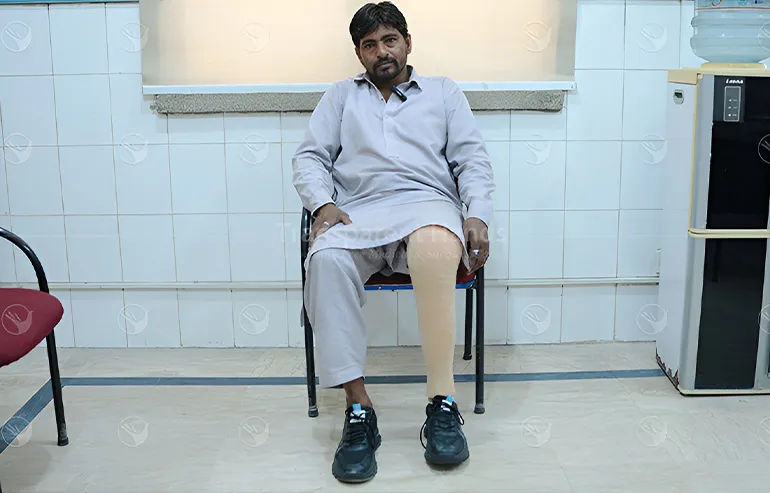
A responsible Zakat process should be easy for donors to understand. From donation to treatment, every step should protect the donor’s intention and the patient’s dignity.
The donation is marked as Zakat so it can be handled separately from general donations.
Financial hardship, medical need, and treatment cost are reviewed before approval.
The patient is assessed as poor or needy and suitable for Zakat support.
Zakat funds are used for eligible medical treatment or care-related patient costs.
Documents, updates, or treatment records are maintained for transparency.
Donor confidence: A clear process helps donors know that their Zakat is not being used randomly, but reaching verified people in genuine need.
Zakat should directly benefit eligible recipients. In healthcare, this usually means patient-focused treatment support rather than broad institutional expenses.
| Medical Need | How Zakat Helps | Why It Matters |
|---|---|---|
| Surgery | Helps cover eligible procedure and hospital costs for poor patients. | Timely surgery can save lives, reduce suffering, and restore stability. |
| Diagnostics | Supports tests needed to confirm diagnosis or prepare for treatment. | Correct diagnosis helps doctors plan the right care. |
| Medicines | Provides prescribed medicines tied to the patient’s treatment journey. | Medicines help patients recover and avoid complications. |
| Post-treatment care | Supports patient care directly linked to recovery where eligible. | Recovery support protects the outcome of treatment. |
Important distinction: Zakat should be connected to eligible beneficiaries. General construction, vague administrative expenses, or unclear institutional costs should not be presented as patient Zakat without proper guidance.
Donors give Zakat with a specific religious intention. That intention should be protected by clearly identifying Zakat donations and using them for eligible purposes.
Transparent reporting becomes stronger when donors can see how Zakat funds are separated, allocated, and connected to eligible patient treatment. This reduces confusion and gives donors greater confidence in the process.
Zakat donations should be clearly marked at the time of giving.
Funds should be assigned only to eligible recipients or valid Zakat uses.
Donation records should be maintained for donor confirmation.
Patient treatment records should support transparency where possible.

A strong Shariah compliance page should make the organization’s Zakat policy visible, simple, and easy to understand. Donors should not have to search deeply to know how their Zakat will be used.
Add a downloadable Zakat policy or Shariah guidance document here when available. This document should explain how beneficiaries are verified, how funds are allocated, and how donors receive transparency.
Before donating Zakat, donors should feel comfortable asking practical questions. A trustworthy organization should answer them clearly.
The organization should explain whether funds go to poor patients, families, or other eligible recipients.
There should be a clear process to review financial need and confirm beneficiary eligibility.
Donors should know whether Zakat is used for surgery, medicine, diagnostics, or other patient care.
Transparent reporting helps donors understand the outcome of their support.
These answers help donors understand how Zakat should be handled before they give online.
Shariah compliance means Zakat donations are handled according to Islamic guidance, directed toward eligible recipients, and used for valid Zakat purposes with proper care and transparency.
Yes. Zakat can support medical treatment for poor and needy patients when the patient qualifies as an eligible recipient and the funds are used for necessary treatment costs.
Patient eligibility should be verified through financial need assessment, medical documentation, treatment cost review, and clear records showing that the beneficiary qualifies for Zakat support.
Yes, if the patient is eligible to receive Zakat and the hospital bill relates to necessary treatment, Zakat may be used to support those costs.
Transparency helps donors understand how their Zakat was used and builds confidence that donations reached eligible beneficiaries in a responsible way.
Yes, where patient campaigns are available and the patient qualifies for Zakat, donors can support a specific patient’s treatment.
Your Zakat can help poor patients in Pakistan receive medical treatment they cannot afford. Give with confidence through Transparent Hands and help deserving families access healthcare, dignity, and hope.