Online Qurbani 2026 (Fi Sabilillah)
Select Your Qurbani Option
Transparent Hands enables you to choose your Qurbani online based on your budget and requirements by offering multiple options, including Qurbani shares and whole animals.
Sheep
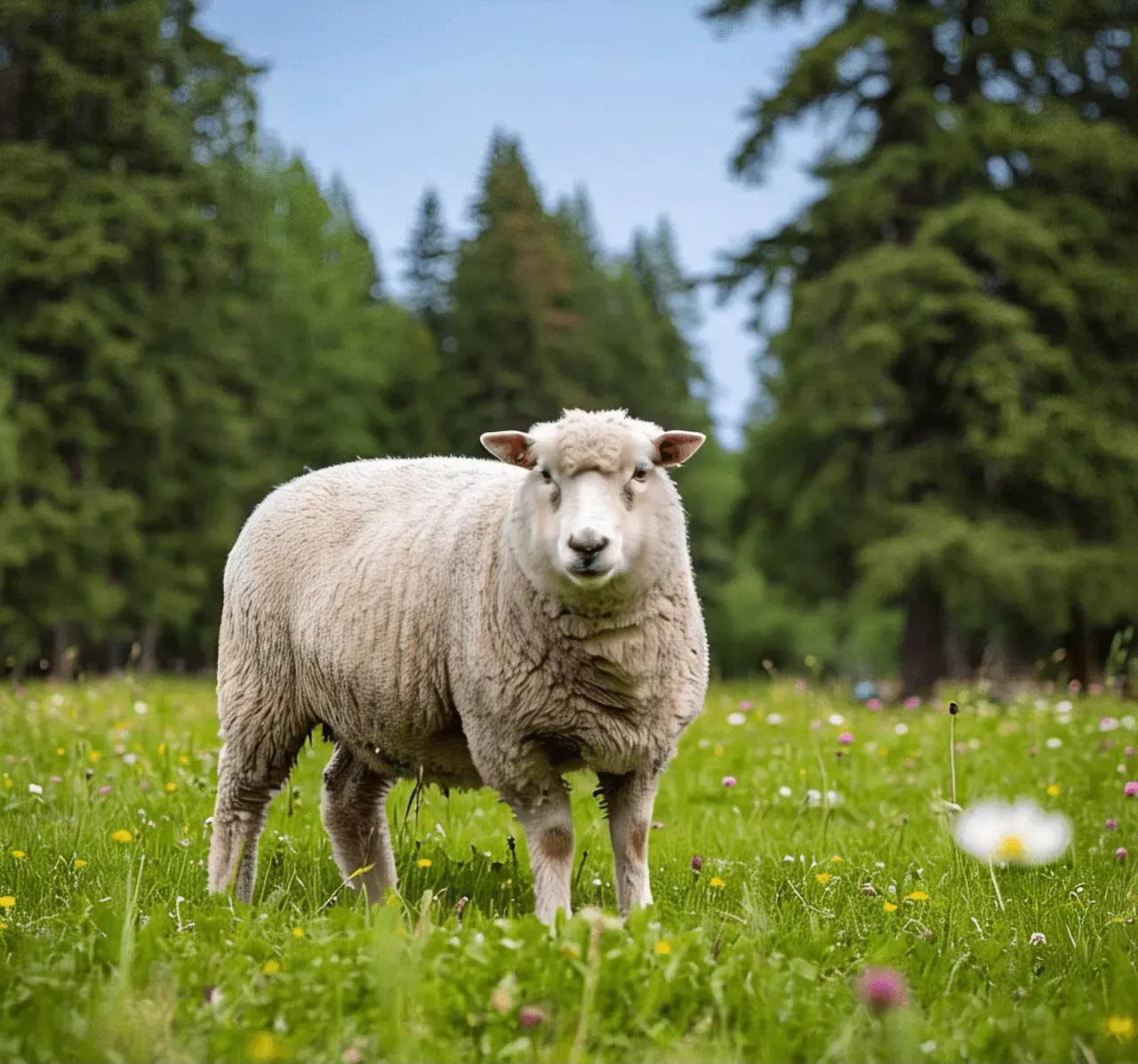
$ 210
Goat
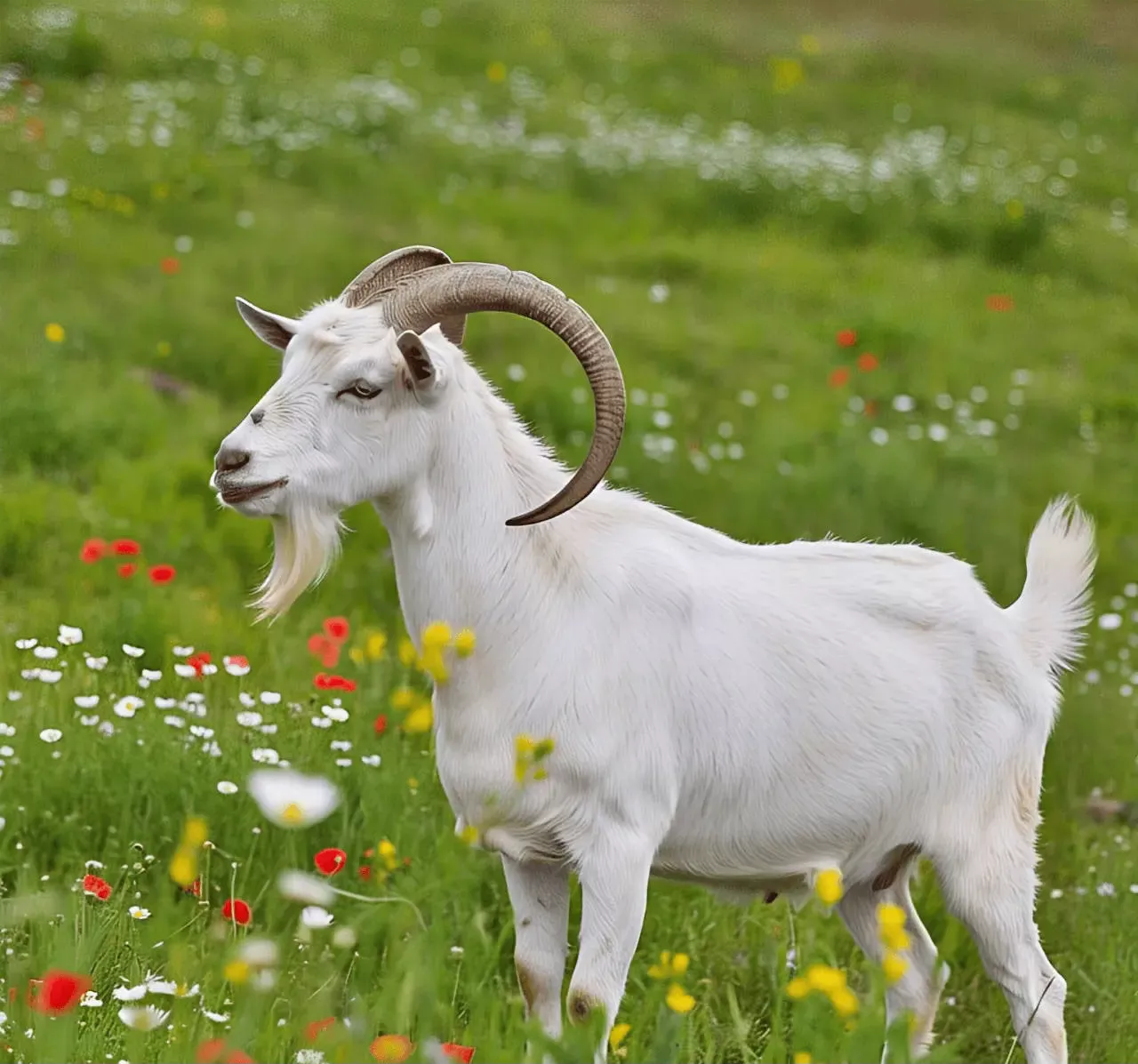
$ 225
Cow

$ 715
Cow Share
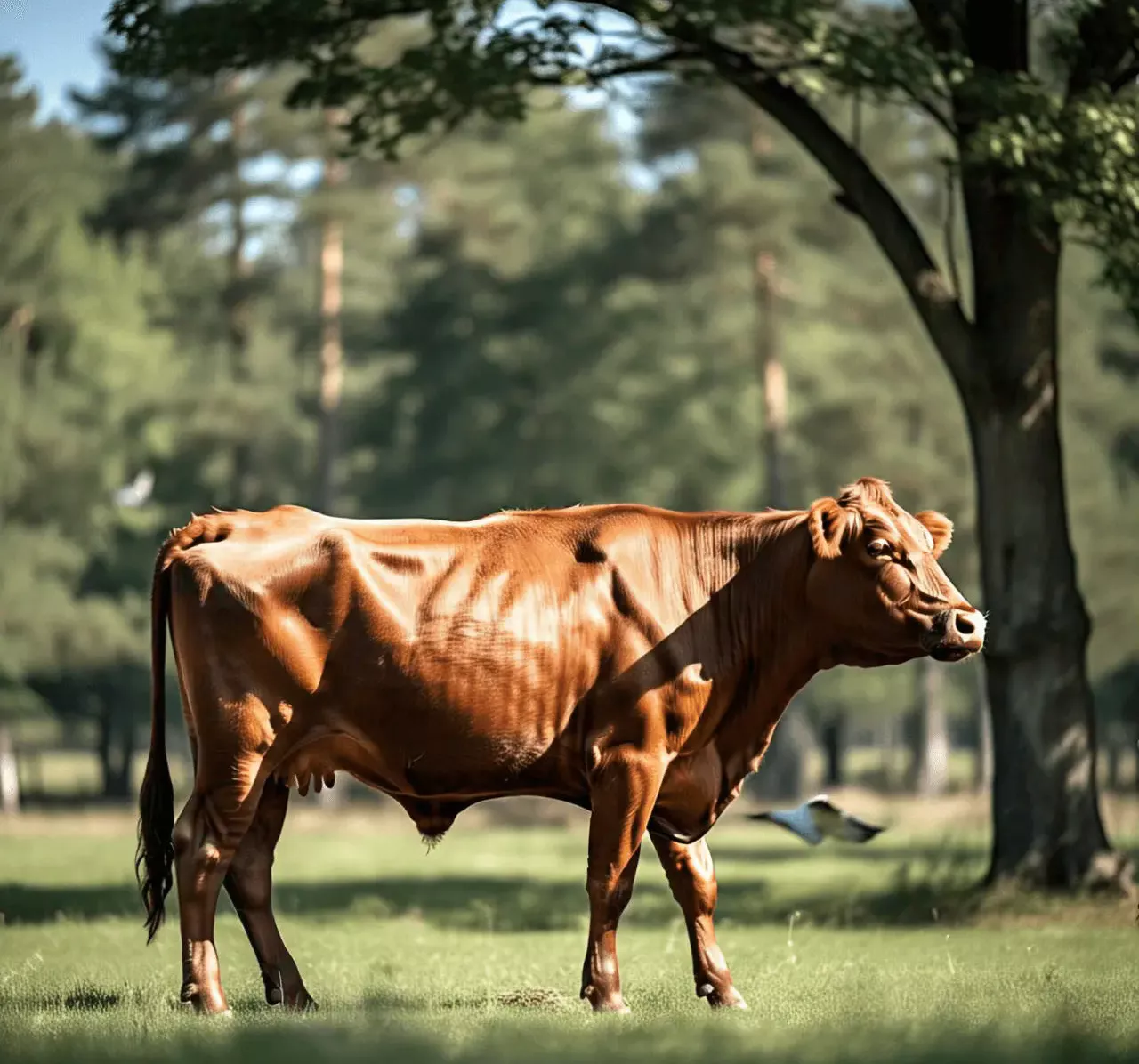
$ 102
Camel
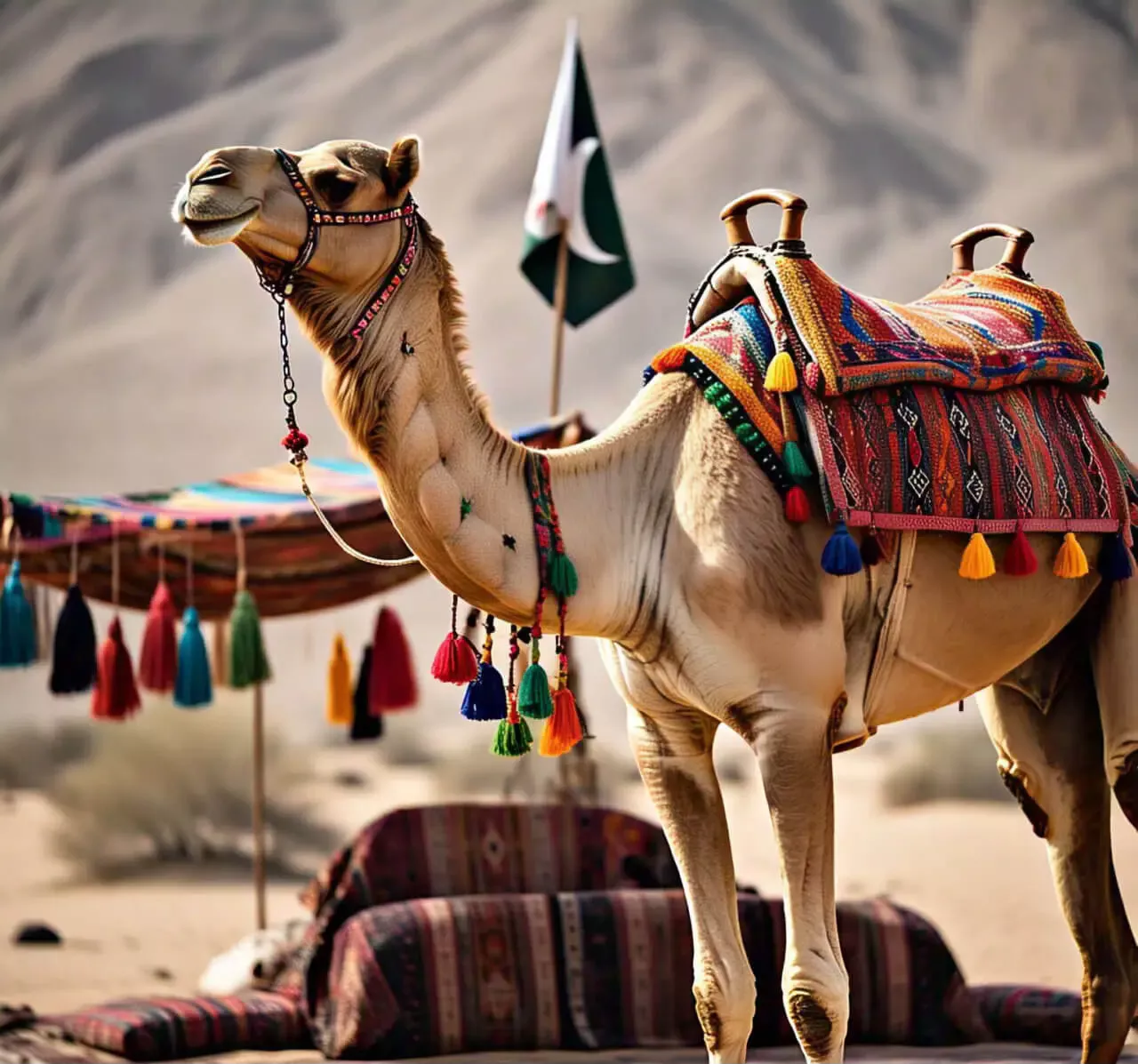
$ 1285
Camel Share

$ 184

Sunnah Inspired
Prophetic Qurbani
Let’s go beyond our basic obligation to express our love and reverence for the Prophet (ﷺ) by following his Sunnah. Sacrifice two sheep.
$ 420
Where Your Qurbani Reaches

Who Receives Your Qurbani Meat
Give Qurbani With a Special Intention
What is Qurbani/Udhiyah?
The word Qurbani or Udhiyah means sacrifice. It is one of the most sacred duties performed by Muslims on the occasion of Eid al-Adha. Qurbani is performed to commemorate the spirit of sacrifice demonstrated by Hazrat Ibrahim (AS), who was willing to sacrifice his own son, Hazrat Ismail (AS), at the will of Allah (SWT). Qurbani is an expression of unwavering dedication and devotion to Allah (SWT).
Muslims slaughter animals such as sheep, goats, cows, and camels according to the Islamic principles and distribute a portion of the sacrificial meat among the most deserving people. Transparent Hands conducts Qurbani and distributes 100% (all portions) of the meat according to the Shariah guidelines. You can check out our FAQs section below for further details.
Conducting Qurbani and distributing the sacrificial meat is highly encouraged by Islamic scholars. All Muslims who can afford it must observe Qurbani. Islam provides clear guidelines for performing Qurbani, from selecting the healthiest animals to slaughtering them humanely and distributing the sacrificial meat among the most deserving segments of society.
By donating your Qurbani to Transparent Hands, you can be confident that all Islamic guidelines for Qurbani are followed, and the sacrificial meat is given to the most impoverished, malnourished, and deserving communities in Pakistan on the day of Eid al-Adha. Consider giving Qurbani online through Transparent Hands.
The Roots of Qurbani
Qurbani has its roots in the word Qurb, which means closeness. In the Islamic perspective, it refers to closeness to Allah (SWT). Qurbani is conducted purely to please Allah (SWT), just like Hazrat Ibrahim’s (AS) willingness and eagerness to sacrifice his dearest asset (His son), to please Allah (SWT). By giving Qurbani, we follow the Sunnahs of Hazrat Ibrahim (AS) and Prophet Muhammad (ﷺ) while making sure that we please Allah (SWT) by helping the poor.
(Riyad as-Salihin, 549)
Transparent Hands’ Qurbani Programme
We are a Shariah-compliant organization, and we work under the guidance of a competent Shariah expert to ensure that our donations, operations, and Qurbani Programme follow the guidelines recommended by Islam. We ensure that all the processes involved in the Qurbani programme are conducted in the true spirit of sacrifice. We acquire the healthiest animals according to the Shariah recommendations, make sure that the animals are kept in a safe place and fed well, and that sacrifice is conducted in well-reputed slaughterhouses. While following these steps, we emphasize meeting all the required hygienic standards and use specialized vehicles with chillers to preserve the freshness of the sacrificial meat.
Qurbani Donation For the Impoverished Communities in Pakistan
According to a World Bank report, almost 45% of Pakistanis live below the poverty line. A report by UNICEF revealed that over 40% Pakistani children are stunted. Eid al-Adha is a rare opportunity for these people to consume meat.
Transparent Hands distributes the Qurbani donation among these impoverished people, taking your message of peace and hope along. For the last two years, we have gifted sacrificial meat packages to some of the most overlooked local communities, including the elderly residents of old age homes, individuals with disabilities, transgender communities, madrassa students, and families living in the most low-income slums.
Eligibility for Qurbani
According to Hanafi jurisprudence, Qurbani is obligatory for any adult, sane Muslim who possesses wealth greater than the Nisab value or has excess wealth beyond what is needed to meet their basic requirements. Therefore, if you qualify to pay Zakat, you should also perform Qurbani. Also, keep in mind that this applies individually, which means that if multiple Muslim individuals in a family meet the Zakat threshold, they all qualify to give Qurbani donation.
When is Qurbani Performed?
Qurbani is performed on the 10th of Dhul Hijjah, which is Eid al-Adha, one of the most sacred days for Muslims. Qurbani is performed after the Eid congregational prayers. It is permissible to conduct qurbani until the 12th of Dhul Hijjah. To ensure timely participation, you can opt for online Qurbani donation through Transparent Hands.
Why Give Qurbani ?
Qurbani is obligatory under Hanafi law, and it is highly recommended by all Islamic scholars. Our world is resourceful, but not everyone gets their fair share. The Quran promises great regard for those willing to spend in Allah’s (SWT) way:
As Muslims, we are also responsible for the people living in our surroundings, especially our neighbors.
So, we must remember that our wealth is not merely ours to be enjoyed. We must spend it in Allah’s (SWT) way and to make the world a more equitable place for everyone. The message of sharing and sacrificing becomes even more significant in the holy month of Dhul Hijjah. The first ten days of Dhul Hijjah is the most sacred days of the year for Muslims according to the following Hadith:
Who Should Receive Qurbani Donations?
Traditionally, Qurbani meat is divided into three equal portions. One portion is reserved for the person offering the Qurbani, another for their relatives and neighbors, while the third is gifted to underprivileged people, including orphans, widows, and low-income communities. While that is a popular practice, one can choose to donate all three sections of Qurbani to the poor, to maximize the benefits of Qurbani and to get closer to Allah (SWT). The Quran says:
When is Eid al-Adha 2026?
Depending on the moon sighting, Eid al-Adha could be either on 26 May 2026 or 27th May 2026. You can start your planning to donate Qurbani now.
Reasons to Give Online Qurbani Through Transparent Hands
Giving an online qurbani donation is a great way to conveniently participate in Eid al-Adha. It allows us to support humanitarian efforts across the world. However, while giving Qurbani online, make sure that you choose a Shariah-compliant organization like Transparent Hands.
- We distribute all Qurbani meat among the needy and poor.
- Our Qurbani prices are lower than most of the other platforms.
- Muslims in the US and UK can sacrifice multiple animals in Pakistan for the price of one in their country.
- All animals are sacrificed in accordance with the Shariah.
- Besides allowing you to sacrifice multiple types of animals, we also provide the option to book a Qurbani share in a cow or camel.
- We provide you with multiple options to give online Qurbani Fi Sabilillah (for the sake of Allah (SWT)).
- We make sure that the names of the donors are called out while conducting the Qurbani. All our Qurbani operations comply with the Shariah guidelines and international hygiene standards.
- Our Qurbani meat distribution targets the most vulnerable and underprivileged communities.
Frequently Asked Questions
What are the Qurbani Rules in Islam?
Islam provides complete guidelines on how to conduct Qurbani, when and where to conduct it, and how to distribute the Qurbani meat. These rules must be followed to ensure Qurbani is conducted according to Islam’s teachings.
Can we distribute all of the Qurbani meat among deserving people?
Yes, you can distribute all the Qurbani meat among deserving people. However, the general practice is to make three portions of the Qurbani meat. Reserve one for yourself, while distributing the other two halves among relatives and needy individuals. However, there is no Hadith or Quranic verse that makes it a requirement. Therefore, you can donate all three portions as a Qurbani donation if you’d like.
What are the rewards for completing Qurbani in Islam?
The following Hadith explains the spiritual rewards associated with Qurbani: The Prophet (ﷺ) said: “The son of Adam does not do any deed on the Day of Sacrifice that is dearer to Allah than shedding blood. It will come on the Day of Resurrection with its horns and cloven hoofs and hair. Its blood is accepted by Allah before it reaches the ground. So be content when you do it.” (Sunan Ibn Majah, 3126)
Why is Qurbani Mandatory?
There is a difference of opinion among scholars about Qurbani. According to the Hanafi school of thought, it is mandatory. However, it is a Sunnah of the Prophet (ﷺ) and thus it is highly recommended.
Is one Qurbani per person or family enough?
No, it depends on the qualification of Niab. All individuals in a family who have wealth greater than or equal to the Nisab value must perform Qurbani.
Can we ask an NGO or welfare organization to arrange Qurbani on our behalf?
Yes, you can give Qurbani amount to a reputable organization like Transparent Hands that conducts Qurbani and distributes meat according to the Islamic guidelines.
What is the difference between Udhiyah and Qurbani?
Udhiyah is the Arabic term used for Qurbani. Both words refer to the same practice.
Are the rules for Qurbani different for smaller and larger animals?
Yes, the larger animals can have seven Qurbani shares, while the smaller animals represent just one Qurbani share. Moreover, smaller animals (goats, sheep, rams, etc.) should be at least a year old. Cows and buffaloes should be at least two years old, while Camels should be at least 5 years old at the time of sacrifice.
Are there any special spiritual rewards for completing Qurbani on the first day of Eid al-Adha?
Giving Qurbani on the first day of Eid al-Adha is a Sunnah of the Prophet (ﷺ), and thus it is a venerable practice. However, it is permissible to conduct Qurbani on the second and third days of Eid.
Is it permissible to give the Qurbani amount to an NGO, so that they may conduct Qurbani on your behalf?
Yes, however, to be clear, you will be donating the amount so that the NGO can conduct Qurbani on your behalf. The amount will exclusively be used to conduct Qurbani, and the connotation of ‘donating Qurbani’ must not be seen as an alternative to the actual process of Qurbani. Also, remember that the organization you are trying to support should be Shariah-compliant, and must be capable of conducting Qurbani in its true spirit according to the Shariah rulings.
Can we donate Qurbani to your organization?
Yes, Transparent Hands is a Shariah-compliant organization and you can donate Qurbani to us online with confidence. However, you must be clear that this amount will categorically be used to conduct Qurbani. It is in no way or form an alternative to Qurbani. Rather, it will result in the actual Qurbani according to the rulings of Shariah.
Is Qurbani incumbent on children?
No, Qurbani is only incumbent on adults who possess wealth equal to or greater than the Nisab value.
What is the last date to book Qurbani donations online through Transparent Hands?
Transparent Hands will be accepting online Qurbani donations until May 26, 2026 (Pakistan).
What is the Prophetic tradition of sacrifice? How did Prophet (ﷺ) conduct sacrifice?
According to the Hadith: “It was narrated from ‘Aishah and Abu Hurairah that when the Messenger of Allah (ﷺ) wanted to offer a sacrifice, he brought two large, fat, horned, black-and-white, castrated rams. He slaughtered one on behalf of his nation, for whoever testified to Allah with monotheism and that he had conveyed (the Message), and he slaughtered the other on behalf of Muhammad and the family of Muhammad (ﷺ).” (Sunan Ibn Majah, 3122)
How does Transparent Hands manage Qurbani meat distribution?
We make sure that Eid Qurbani packages are preserved well after the sacrificial process is completed in slaughterhouses. We transfer them in vehicles equipped with chillers that control temperature to keep the meat fresh till we reach our meat distribution points.
When did Transparent Hands start Qurbani services online?
This will be our third consecutive year of offering Qurbani services online.
How to give Qurbani online in Pakistan (2026)?
You can donate Qurbani online through Transparent Hands.
What is the Qurbani hissa price in Pakistan for 2026?
For online Qurbani donations, the share for cow is Rs. 28570, while for camel it is Rs. 51500.
Can you give Qurbani for the deceased?
Yes, you can give Qurbani for your deceased.
At What Age is Qurbani Farz?
Qurbani is obligatory on all Muslim adults who can afford it.
Is Eid al-Adha also known as the Qurbani Eid?
Yes, Eid al-Adha or Eid-al-Azha is also known as the Qurbani Eid.

Enter the name(s) of those for whom this Qurbani is being offered


Your Contribution Summary
Contributed Amount:
Processing Fee (2.99% + 30¢):
Total Payable Amount: