What Is Metastatic Breast Cancer?
According to the World Health Organization (WHO), one out of every nine Pakistani women is likely to be affected by breast cancer at some point in life. Each year, around 90,000 people in Pakistan are diagnosed with breast cancer. Unfortunately, 40,000 of them die due to late detection. However, the survival rate could drastically change with timely detection followed by treatment. Hence, many lives can be saved by raising awareness, improving diagnostics, and providing timely surgeries and treatments. In this article, we will comprehensively answer the question: What is metastatic breast cancer? We all need to educate ourselves and others about this fatal disease, so that more timely interventions can save lives.
Donate to Fight Against Breast Cancer
What is Metastatic Cancer?
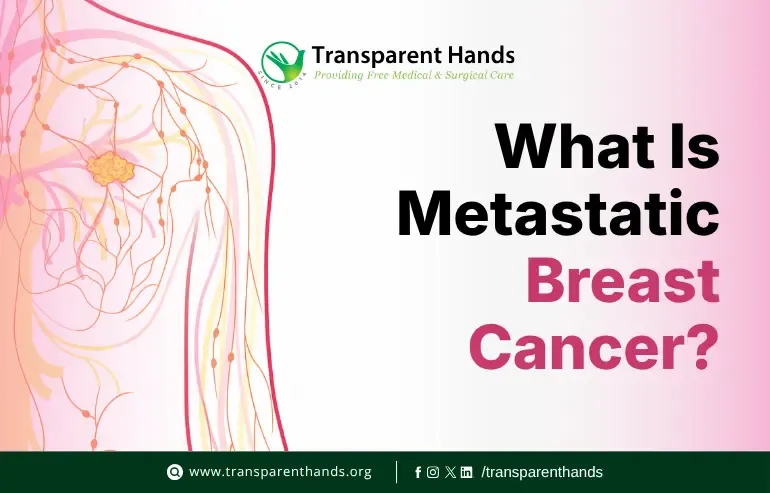
Breast cancer has five stages, starting from stage zero, in which cancer is noninvasive, to the fourth stage, during which cancer cells start growing in other parts of the body. Metastatic breast cancer is the fourth and most advanced stage of breast cancer. While breast cancer is treatable in the initial stages with a curative approach, metastatic breast cancer cannot be cured, as it spreads to different body organs like the bones, lungs, and the brain. These cells travel through a person’s bloodstream to other body parts. Metastatic breast cancer consists of the cells from the original tumor, which means that no matter where the metastatic cancer growth happens in the body, it will remain an extension of breast cancer.
Symptoms of Metastatic Breast Cancer
The symptoms of Metastatic breast cancer may vary depending on the exact location of the cancer and the type of mutation that caused it. The following are some of its symptoms:
- Persistent pain in the back, bone, or joint
- Difficulty urinating, which may be due to the cancer pinching the person’s nerves
- Weakness or numbness
- Consistent dry cough
- Shortness of breath
- Lost appetite
- Chest pain
- Pain in the abdomen, frequent bloating, or tenderness
- Frequent nausea, vomiting, or weight loss
- Severe headaches
- Jaundice
- Blurry vision, double vision, or a loss of vision
- Seizures
- Fatigue and loss of balance
Causes of Metastatic Breast Cancer
Breast cancer may return if the treatment isn’t able to destroy all cancerous cells. At times, treatments reduce tumors to a point where tests don’t detect the presence of cancerous cells. Besides this, a surgery to remove a tumor might not always be effective because the cancer cells might already have travelled to nearby lymph nodes, bones, tissues, or through the bloodstream. These cells grow and gain strength over time, and then start to multiply. They can also spread to other parts of the body through the bloodstream and the lymphatic system. The function of our lymph nodes and blood vessels is to facilitate the movement of fluids throughout the body. By using them as a pathway, the cancer cells travel and settle throughout the body.
Metastatic breast cancer may be recurrent, which means that it may come back after treatment and affect other parts of the body that are located at a distance from its point of origin.
However, around 6% of women with a breast cancer diagnosis already have metastatic breast cancer. Sometimes, the metastatic breast cancer cells lie dormant and inactive for years after the initial treatment. Hence, they may return long after the initial treatment.
Diagnosis For Metastatic Breast Cancer
The doctors may recommend the following diagnosis for someone with metastatic breast cancer symptoms:
Biopsy: A process in which a sample of tissue is removed for pathologists to examine.
Blood Tests: Some blood tests, including a comprehensive metabolic panel and complete blood count, might be recommended.
Bronchoscopy: Use of a scope to monitor the inside of the lungs.
Imaging Tests: Chest X-rays, CT, MRI, bone scans, and ultrasound scans.
Metastatic Breast Cancer Treatment
Doctors treat metastatic breast cancer based on where the cancer has spread. Factors like a person’s existing symptoms and past treatment history also matter. Usually, metastatic breast cancer treatment is managed through systemic medicines, including chemotherapy, hormonal therapy, and immunotherapy. People with metastatic breast cancer may opt to participate in a clinical trial, which can help researchers find better treatments and a cure.
Breast Cancer in Pakistan
In Pakistan, many women have to suffer from breast cancer because of a general lack of awareness about its symptoms. This leads to a high rate of late detections, resulting in a very high death rate. Unfortunately, access to healthcare in Pakistan is also very limited. According to a report, only 50% Pakistanis have access to healthcare. People living in rural and low-income areas experience even greater problems due to poverty and a lack of diagnostic facilities. Educating people about the disease is also challenging, as breast care is considered taboo in many parts of the country.
How Is Transparent Hands Fighting Breast Cancer?
Transparent Hands provides free medical and surgical care to patients who cannot afford it, which includes deserving breast cancer patients. We offer a variety of free surgical treatments, including oncological surgeries. To assist women with breast cancer, we offer free mastectomies, chemotherapy, biopsies, and checkups by female doctors at our medical camps. We also educate the public about breast cancer.
In this article, we answered: “What is metastatic breast cancer?”, to raise awareness about the disease. Besides awareness, we also need to take steps to help deserving women who are unable to access timely breast cancer treatments. With the compassionate contributions of our donors and supporters, we have brought life-saving treatments to many Pakistani women. We need your continued support to save more lives.






Leave Your Comments