Rabi ul Awal: History & Importance in Islam
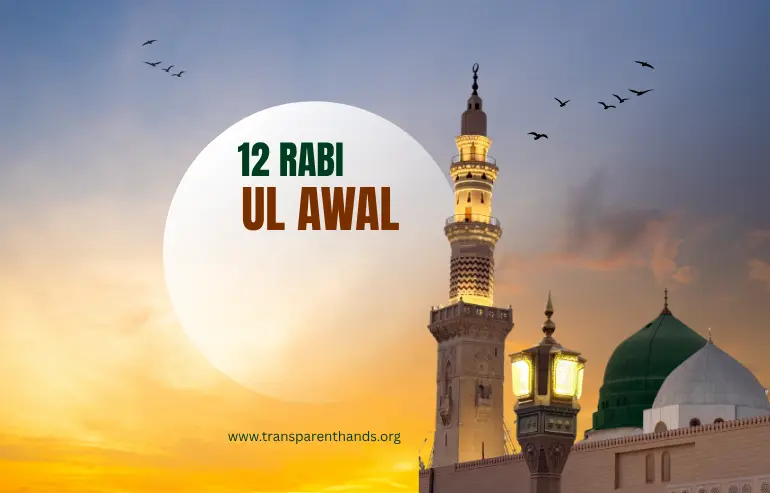
12 Rabi ul Awal, also known as the Milad, marks the birthday of Prophet Muhammad (ﷺ). Many Muslims around the world celebrate the day with religious zeal. Many believers commemorate the achievements of the Prophet (ﷺ) by arranging scholarly conferences, Na’at events, and various Milad events. The day presents a great opportunity for Muslims to realign their practices with the conduct taught by the Prophet (ﷺ), study His life, and adopt His Sunnah. Eid Milad un Nabi is an important event for many Muslims who show their love and appreciation for the Prophet (ﷺ). It is worth noting that the actual date of the Prophet’s birth is disputed. However, 12th Rabiʿ al-Awwal is the most widely accepted date. In this article, we will try to discuss the history and importance of Milad. We will also discuss different perspectives on the event and how it should be observed.
What Is 12 Rabi ul Awal?
12 Rabi ul Awal, or Milad, is observed as Prophet Muhammad’s (ﷺ) birth date. Many Muslims observe the day to pay rich tributes to the Prophet (ﷺ) and his teachings. People celebrate the day in various cultures with utmost respect and love. Milad is an official holiday in many Muslim countries, and people eagerly await the blessed day. Milad conferences, Na’at competitions, conferences, and processions.
When is 12 Rabi ul Awal 2026?
In Pakistan, India, and Bangladesh, Milad-un-Nabi is expected to be on Wednesday, August 26, 2026. The dates may vary slightly in Turkey and other Muslim countries. In Pakistan, the month of Rabi ul Awal started on August 15th 2026, and thus Milad will be observed on Wednesday, August 26, 2026.
Why Is 12 Rabi ul Awal Important?
The Milad day is important because it gives many Muslims a chance to show their love and respect for the Prophet (ﷺ). Although every day of a believer’s life should celeberate the life and teachings of the Prophet (ﷺ), Milad gives an opportunity for a collective cultural expression. Love and respect for the Prophet (ﷺ) is an essential part of the Muslim faith. The following Hadith clearly mentions that:
The Prophet (ﷺ) said “None of you will have faith till he loves me more than his father, his children and all mankind.” (Sahih al-Bukhari, 15)
The Milad Day is a great occasion for adopting Sunnahs and practically showing love and reverence for Prophet Muhammad (ﷺ).
How Do Muslims Celebrate 12 Rabi ul Awal?
12 Rabi ul Awal celebrations may involve many activities and may differ slightly by culture. Muslims celebrate it as a blessed and auspicious day. Muslims arrange cultural and religious activities, and believers gather to learn more about the Prophet’s (ﷺ) teachings. The following are some of the ways Milad is celebrated:
Learning About the Seerah
People from all walks of life arrange Milad-related activities on 12th Rabi al Awal. Milad conferences are held and attended by renowned Islamic scholars and the general public. The purpose is to teach more about the life and Seerah of the Prophet (ﷺ), so that believers can take inspiration and understand the Prophet’s (ﷺ) teachings.
Sending Salawat Upon the Prophet
Sending Salawat upon the Prophet (ﷺ) is a great way of paying spiritual tribute to the Prophet (ﷺ). There is a clear command for believers to send Darood O Salam (blessings and prayers) upon the Prophet (ﷺ). The following Quranic verses clearly indicate it:
“Indeed, Allah confers blessing upon the Prophet, and His angels [ask Him to do so]. O you who have believed, ask [ Allah to confer] blessing upon him and ask [ Allah to grant him] peace.” (Surat Al-‘Aĥzāb, 33:56)
The following Hadith confirms sending Salawat as a great spiritual practice:
“The Messenger of Allah (ﷺ) said: He who blesses me once, Allah would bless him ten times.” (Sahih Muslim, 408)
Giving Charity
Many Muslims give charity on the Milad to commemorate the Sunnah of generosity. However, this should be a regular practice for Muslims. Nonetheless, Milad is a great day to permanently adopt Sadaqah as a daily habit.
Teaching Children About the Prophet (ﷺ)
For believers, Milad is a good day to evaluate their routine and see how many Sunnahs they practice daily. It is also important to teach children about the Prophet’s (ﷺ) life, teachings, and achievements. However, believers must not reserve a particular day for such reflections. It must be part of their daily routine.
Attending Milad Gatherings
Milad gatherings reflect Muslims’ collective joy. Many Milad gatherings involve Quran and Na’at recitations. Na’at is a well-established form of poetry that praises Prophet Muhammad (ﷺ). It is especially a popular activity in South Asia. The following Hadith tells us that Prophet Muhammad (ﷺ) appreciated this form of poetry:
Narrated ‘Aishah: “The Messenger of Allah (ﷺ) had a Minbar placed in the Masjid for Hassan to stand to boast (poetically) about the Messenger of Allah (ﷺ)” – or she said: “to defend the Messenger of Allah (ﷺ). And the Messenger of Allah (ﷺ) said: ‘Indeed Allah has aided Hassan with the holy spirit (Jibril) as he boasts about – or – defends the Messenger of Allah (ﷺ)” (Jami` at-Tirmidhi, 2846)
As mentioned earlier, different cultures observe Milad differently. However, the essence of the celebrations is the same.
Charity and Giving on 12 Rabi ul Awal
Giving Charity is a common practice on the day of Milad, especially in South Asian culture. You can make this Milad-un-Nabi special by getting involved in the following activities:
Helping Poor Families
Generosity is one of the most important Sunnahs all Muslims must adopt. Milad is a great day to start. You can help poor families with your Sadaqah by buying them food and clothes or giving them cash. However, this act of kindness shouldn’t remain secluded to Milad days, and you must try to make it a permanent habit
Providing Food to Those in Need
Many Muslims in South Asia make special arrangements to feed needy people on Milad day. The following Hadith clearly tells believers to feed the hungry:
The Prophet (ﷺ) said, “Feed the hungry, visit the sick, and set free the captives.” (Sahih al-Bukhari, 5649)
Feeding the hungry is a great way of commemorating the Sunnah. However, these practices shouldn’t be reserved only for Milad days.
Supporting Healthcare and Essential Needs
Supporting healthcare is also a great cause to support on the occasion of Milad. Remember that the Quran clearly states that saving one life is like saving the entire humanity. Your Sadaqah for needy patients can give them another chance at life.
Why Charity Reflects the Prophet’s ﷺ Teachings
Charity truly reflects the spirit of the Prophet’s teachings. The Prophet (ﷺ) was the most generous Person. He was also kind and forgiving. The following Hadith clearly tell us that:
“Allah’s Messenger (ﷺ) was the most generous of all the people, and he used to reach the peak in generosity in the month of Ramadan when Gabriel met him. Gabriel used to meet him every night of Ramadan to teach him the Qur’an. Allah’s Messenger (ﷺ) was the most generous person, even more generous than the strong uncontrollable wind (in readiness and haste to do charitable deeds).” (Sahih al-Bukhari, 6)
Conclusion
12 Rabi ul Awal is an auspicious day for Muslims all around the world. It is observed with religious excitement by Muslims all around the world. Although the exact date of the Prophet’s (ﷺ) birth is disputed, the entire month of Rabi ul Awal holds great significance for Muslims. Milad is a great reminder that we must keep adopting as many Sunnahs as we can, and our enthusiasm for learning about the life and teachings shouldn’t only be reserved for the day of Milad. 12 Rabi ul Awal’s importance lies in being the day we begin adopting Shariah as a complete way of life.




Leave Your Comments