The Requirements of Islamic Parenting
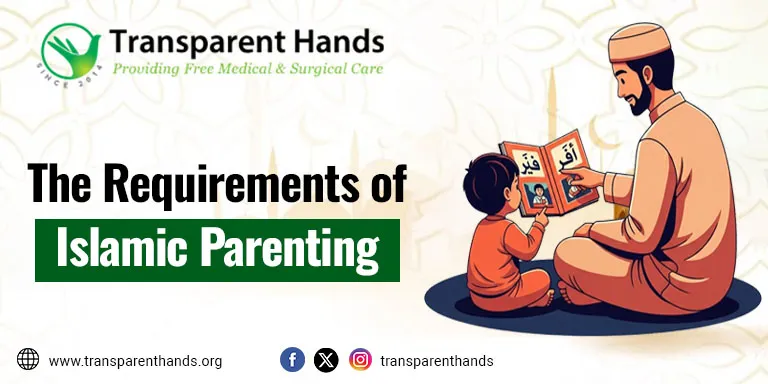
One of Islam’s primary focuses is to raise the moral value and intellect of the human race. Children are the most innocent and precious gifts of Allah (SWT). Parents are responsible for raising children well and teaching them about Islamic values. Raising children in Islam requires devotion, compassion, patience, and a deep commitment to faith. It is the responsibility of parents to raise children well and teach them about Islamic values. Parents are responsible for carving out the future of their children. Therefore, it is a privilege and a great responsibility.
Prophet Muhammad (SAW) said, “Every one of you is a guardian and is responsible for his charges. The ruler who has authority over people is a guardian and is responsible for them. A man is a guardian of his family and is responsible for them. A woman is a guardian of her husband’s house and children and is responsible for them. A slave is a guardian of his master’s property and is responsible for it. So, all of you are guardians and are responsible for your charges.”(Sahih al-Bukhari 7138)
In this article, we’ll guide you on nurturing children in an Islamic environment, so that they are prepared to succeed in this life and the afterlife.
Islamic Parenting Requires A Focus In An Early Age
Early Islamic education is essential for nurturing a child’s moral development and fostering a deep connection to their faith. It should be done with kindness and love.
The Quran says:
“And lower to them the wing of humility out of mercy and say, My Lord, have mercy upon them as they brought me up [when I was] small.” (Surat Al-‘Isrā’, 17:24)
In the same way, the Quranic parenting guide includes the inculcation of faith and moral values in the hearts and minds of children. Parents must lead their children towards a life of virtue.
The Quran says:
“O my son, establish prayer, enjoin what is right, forbid what is wrong, and be patient over what befalls you. Indeed, [all] that is of the matters [requiring] determination.”(Surat Luqmān , 31:17)
Furthermore, parents should ensure that they encourage their children to offer Salah from a very young age, address their concerns, and answer their queries regarding deen. Since offering Salah is at the centre of the Islamic faith, it should be an integral part of Islamic parenting.
The Messenger of Allah (ﷺ) said: Command your children to pray when they become seven years old, and beat them for it (prayer) when they become ten years old; and arrange their beds (to sleep) separately.(Sunan Abi Dawud, 495)
The upbringing of a child is a challenging task, but the Quran encourages parents to nurture their children’s faith from a young age. In Surah At- Tur, Allah says, “And those who believe and whose descendants follow them in faith – We will join with them their descendants, and We will not deprive them of [anything] of their deeds” (Quran 52:21). These words are a true guiding light for parents who have pure intentions to raise their children well in an Islamic Environment.
Islamic parenting should highlight Allah’s saying in front of their children so that they can follow the same path. It is up to parents to work on the spiritual growth of their children in a manner that they succeed in the afterlife. The Quran tells us:
“O you who have believed, protect yourselves and your families from a Fire whose fuel is people and stones, over which are [appointed] angels, harsh and severe; they do not disobey Allah in what He commands them but do what they are commanded.” (Surat At-Taĥrīm, 66:6)
When children learn to be held accountable for their actions, they become more responsible and strive to perform good and commendable acts from a young age, which later become a permanent part of their personalities.
Messenger of Allah (SAW) said, “Teach a boy Salat (the prayer) when he attains the age of seven years, and punish him (if he does not offer it) at ten”. (Abu Dawud and Tirmidhi)
How does a Child Perceive Islamic Principles through Parents’ Behavior?
The best gift a child can receive from his/her parents is a proper upbringing. It might be hard for parents to be a part of this journey of bringing up their child with the best moral values as it demands a lot of attention and devotion at the same time.
When a child takes their first breath after their birth and opens their eyes, they are pure and innocent. Parents are commanded to work diligently on their child’s upbringing and guide them along the right path. Parenting in Islam requires parents to lead as an example by incorporating Islamic ethics and morals into their personalities. This way the children learn through what they see more than what they are taught in their early childhood days.
Children look upon their parents the most in terms of their behavior and character development. Parents shouldn’t expect children to be well-mannered when they do not follow what they preach. Allah SWT says in the Quran, “O you who have believed, why do you say what you do not do? Great is hatred in the sight of Allah that you say what you do not do.” (Surah As-Saf 61:2-3)
Balance Between Discipline and Compassion in Islamic Parenting
Parenting in Islam emphasizes the importance of creating equality between compassion and discipline when raising children. Parents should know where to draw a line and should also teach their children specific boundaries and limits. They should also ensure the same practice is used by themselves. Although a parent’s love for their child is unparalleled, there should be a differentiating line between what’s wrong and right in terms of your child’s upbringing.
Islam and parenting should always go hand in hand. This practice allows parents to raise their children with love and faith at the same time. Parents always showcase love and compassion for their child, but discipline is the factor that can’t be neglected in this case, and if ignored, it can lead to your child having a reluctant and impatient personality in the future if they’ve not been disciplined according to the situation.
Islamic parenting requires nurturing a child with devotion, discipline, and love. Some of the Islamic values in the discipline should be repentance, patience, respect, and shura (consultation). Ibn ‘Umar said, “Allah has called them the ‘dutiful’ (al-Abrar) because they are dutiful (birr) to their parents and children. Just as you have a duty which you owe your parent, so you have a duty which you owe your child.” (Al-Adab Al-Mufrad 94)
Encouraging Islamic Practices
Islamic parenting includes nurturing your child with moral values and encouraging Islamic practices. Introducing your children to the Quran from a very young age will have a positive impact on their lives. When children read the Quran, they develop a strong connection with the divine words of Allah SWT. This contributes to their understanding of the basics of Islam and increases their love for their creator and the Quran even more.
Messenger of Allah (SAW) said, “Teach a boy Salat (the prayer) when he attains the age of seven years, and punish him (if he does not offer it) at ten”. (Abu Dawud and Tirmidhi)
Furthermore, children should be taught from an early age to greet others with utmost kindness and respect. Parents should also instill the habit of making dua in children to regularly ask Allah SWT for everything they want, including guidance, engage in story time, share stories from Islamic history and the Quran, and regularly test their knowledge of Islam.
The Prophet Muhammad (SAW) said, “The best of you are those who have the best manners and character” (Sahih Al-Bukhari Hadith 3559). Parents must teach their children to be honest, show compassion for others, and respect everyone around them.
Conclusion
Islamic parenting emphasizes the importance of raising children with a strong faith in Allah (SWT) and adhering to the guidelines of the Quran and Sunnah. Children need love from their parents under all circumstances, but at the same time, they should be disciplined to achieve success in this world and the hereafter.
Your commitment to raising children with Islamic values includes teaching them compassion. Today, you can transform that teaching into a powerful lesson by taking action. Join Transparent Hands in providing life-saving medical care to families who cannot afford treatment for their children. Donate now and demonstrate to your children the true meaning of Islamic charity.





Leave Your Comments