How to Observe World Heart Day
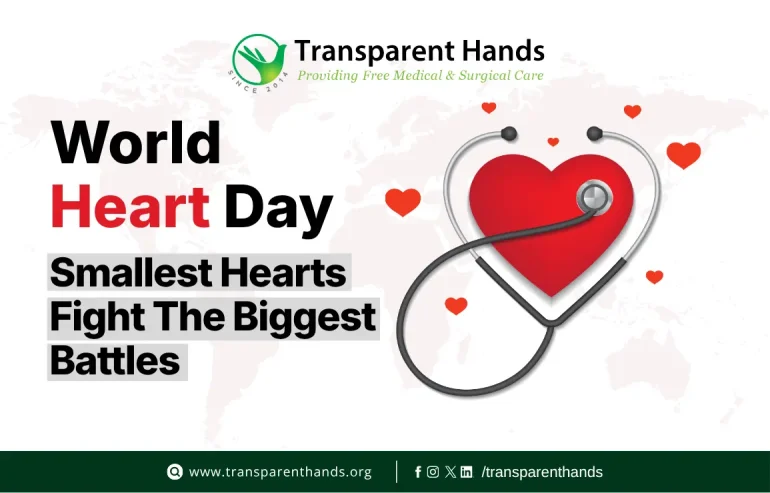
World Heart Day is observed globally to raise awareness about cardiovascular health and educate the public about the dangers of heart-related diseases. It is observed each year on September 29. According to the World Health Organization (WHO), cardiovascular diseases are the most common cause of death globally. In 2022, almost 19.8 million individuals died due to cardiovascular diseases. The number represented almost 32% of global deaths. Out of these deaths, about 85% were caused by heart attacks and strokes. Many cardiovascular deaths can be prevented by improving awareness, identifying risk factors early, and adopting healthier lifestyle choices. World Heart Day is a great occasion to learn about the risk factors involved and promote healthy habits. On World Health Day, people across the globe organize screenings, educational talks, and related activities to spread awareness about early detection and prevention of heart-related disease.
The Significance of World Heart Day
World Heart Day raises public awareness about cardiovascular diseases and their devastating effects. The purpose of observing ‘World Heart Day’ is to educate people about the risks associated with heart diseases and to encourage them to adopt a healthier lifestyle. Remember that cardiovascular diseases affect millions of people around the world and place a heavy burden on healthcare systems. A recent WHO fact sheet revealed that around 80% of cardiovascular deaths occur in low- and middle-income countries. These numbers can be brought down by advocating for better health choices. World Heart Day provides a good opportunity to educate people about risk factors like high blood pressure, diabetes, obesity, smoking, and sedentary lifestyles.
When Is World Heart Day?
September 29 is observed as the global World Heart Day date. Many individuals, communities, and governments plan awareness activities and campaigns in advance to observe the day.
World Heart Day 2026
World Heart Day 2026 will be observed on Tuesday, September 29, 2026. Mark the day on your calendar and join the awareness efforts that may save lives. It is also a great day to financially assist underprivileged patients suffering from cardiovascular diseases, especially those requiring surgeries.
Why Is World Heart Day Important?
Many people are unaware of the risks their daily habits pose to their heart health. Better awareness often improves survival chances, as people are more likely to seek medical advice early. Early detection often leads to more treatment options and better outcomes. World Heart Day also reminds policymakers to prioritize heart health and integrate it into national health strategies. It inspires people and communities to support healthy lifestyle choices and encourages people to take control of their heart health.
The History of World Heart Day
World Heart Day’s history goes back to 1999. It was launched through a collaboration between the World Heart Federation and the World Health Organization. The purpose was to raise global awareness of cardiovascular diseases and to curb their unprecedented growth. Earlier campaigns focused on educating the public about the dangers of tobacco use and unhealthy diets. Over time, the event grew internationally and now involves more than 100 countries. With time, the focus of the campaign also spread to areas such as weight management, blood pressure control, diabetes control, and encouraging physical activity. Each year, a new theme is chosen to address a particular challenge in heart health. This year’s World Heart Day campaign focuses on the theme, “Don’t miss a beat.” This is the second year of the theme, which urges people to watch for hidden or easily missed symptoms of cardiovascular disease.
What Is Cardiovascular Disease?
Cardiovascular diseases are conditions that affect the heart and blood vessels. These conditions include heart failure, coronary artery disease, arrhythmias, and valve disorders. Cardiovascular diseases also include cerebrovascular diseases such as stroke and peripheral artery disease, which can affect blood circulation to the limbs. Some cardiovascular diseases develop when arteries narrow or become blocked, reducing blood flow to vital organs. High blood pressure, high cholesterol, smoking, diabetes, and obesity are known contributors to cardiovascular diseases.
Risk Factors for Heart Disease
For better understanding, we can divide risk factors into two categories: modifiable and non-modifiable.
Modifiable Risk Factors
As the name suggests, modifiable risk factors can be changed by making appropriate lifestyle changes or through surgical and medical treatment. High blood pressure, high cholesterol levels, obesity, smoking, unhealthy diet, and an inactive lifestyle are all modifiable risks that can be mitigated or eliminated by making better lifestyle choices and seeking medical assistance. Note that stress and alcohol consumption also fall in the same category. By addressing modifiable factors, we can improve heart health and avoid potential future complications.
Non‑Modifiable Risk Factors
These are factors that cannot be changed. These include age, sex, genetic inheritance, and ethnicity. The risk of cardiovascular diseases generally builds up with age. Genetic predisposition is another risk factor we should be aware of. Unfortunately, people from certain ethnic groups might also be at a great risk. These ethnic groups include South Asians, Africans, and Afro-Caribbeans.
Key Tips to Protect Your Heart
Include fruits, vegetables, and whole grains in your diet. Also try to avoid processed food, sugary drinks, and food with excessive salt.
- Make time for activities such as walking, cycling, or swimming. 150 minutes of physical exercise every week can help you stay active.
- Quit smoking and try to stay away from all kinds of tobacco consumption. Tobacco is dangerous because it can result in plaque buildup and may lead to damaged blood vessels.
- Avoid or limit alcohol consumption.
- Manage stress by practicing routine mindfulness, meditation, yoga, or similar activities.
- Try to sleep 7 to 9 hours every night.
- Monitor your blood pressure, blood sugar levels as well as cholesterol regularly, and keep following your physician’s medical advice.
Warning Signs of a Heart Attack
Heart attacks can happen when the blood flow to a part of the heart muscle is choked. This often happens due to a clot in a coronary artery. Some of the warning signs of a heart attack may include mild or intense pain in the center of the chest area. Discomfort in the upper body parts such as arms, back, neck, and stomach could also be telltale signs. Other heart attack signs may include nausea, irregular heartbeat, extreme fatigue, or suddenly breaking out in a cold sweat.
What Should You Do if You Suspect a Heart Attack?
Seek immediate medical attention if you suspect a heart attack. Don’t wait for the symptoms to disappear. Call emergency services without delay as every moment can be critical. Don’t panic and stay relaxed until you receive medical attention. Timely treatment can minimize heart damage and significantly improve chances of survival.
Warning Signs of a Stroke
A stroke occurs when blood flow to a part of the brain is interrupted. This can happen because of a clot or a burst blood vessel. Recognizing stroke symptoms early can prevent lasting disability and help save lives. Signs of a stroke may include loss of balance, vision changes, facial drooping, arm weakness, difficulty speaking, numbness, confusion, or a severe headache.
Consider These World Heart Day Activities
World Heart Day is a great opportunity to spread awareness and get involved in promoting well-being. You can participate in World Heart Day events and learn about the dangers of cardiovascular diseases. You should also share important information on social media, organize community walks, arrange blood pressure or cholesterol screenings, distribute educational flyers or brochures, encourage workplace wellness programs, or support underprivileged patients needing medical or surgical treatment.
For Schools
Schools are ideal places for heart health awareness activities. Students can participate in heart-related art projects, while school management can also host healthy snack days, encouraging the use of fruits, vegetables, and whole grains. Parents should also be invited to such events to promote healthy eating habits at home.
For Workplaces
Employers can arrange free blood pressure and cholesterol screenings and invest in wellness programs. They can also encourage stress management and promote healthy living by inviting nutritionists or fitness experts to educate employees.
For Communities
Community centers can host health fairs and free screenings to promote awareness and regular medical checkups. Hospitals and charities should publicly share heart health tips through multiple channels. They should also make arrangements to assist poor patients who cannot afford medical or surgical treatment. You should consider supporting free medical camps and preventive healthcare sessions to extend healing to underprivileged communities.
Supporting Heart Patients
You can support a loved one with heart disease by encouraging healthy habits. Encourage them to make healthier lifestyle choices, including regular exercise, stress-relief routines, and more balanced, nutritious meals. Treat them with compassion and offer help with medical appointments. Spend quality time with them and listen to their concerns and feelings. Always remind them that they are not alone. You can also donate to charitable donations like Transparent Hands and support deserving heart patients who lack the resources to afford medical and surgical care.
How Charities Play a Role in Improving Heart Health
Charities can make important contributions to advancing heart health through education, research, and support for underprivileged patients with heart conditions. Some charities even fund scientific studies to explore new treatment options for cardiovascular diseases.
Make an Impact Through Transparent Hands This World Heart Day
Transparent Hands is one of Pakistan’s most important crowdfunding platforms. Since 2014, we have provided thousands of Pakistanis with free medical and surgical care. We support a range of free cardiac services for needy patients, including the following:
- Cardiac surgery
- Angiography
- Angioplasty / PCI
- Coronary Artery Bypass Grafting (CABG)
- Valve replacement surgeries
- Septal defect repair
- Open-heart surgery
- Congenital Heart Disease (CHD) surgery
- Mitral and aortic valve surgery
- Awareness about cardiac health
Other than surgeries, we also arrange free medical camps in the most underserved areas of Pakistan to make healthcare accessible to needy patients. Donate your Zakat, Sadaqah, or other contributions to support Transparent Hands’ mission. You can help us make a deeper impact and help heal the hearts of many more deserving patients. Let’s observe this World Heart Day by supporting deserving cardiac patients.
Conclusion
World Heart Day is observed around the world as a day of awareness and heart disease prevention. Since cardiovascular diseases are the leading cause of death in the world, we should go the extra mile to make an impact on this day. To address the risk factors for heart diseases, we need to adopt a more active lifestyle and get timely screenings. This World Heart Day, let’s make a contribution to increasing awareness about cardiovascular diseases, and don’t forget to support underserved individuals and families suffering from cardiovascular conditions.





Leave Your Comments