How to Pray Taraweeh: A Complete Beginner’s Guide
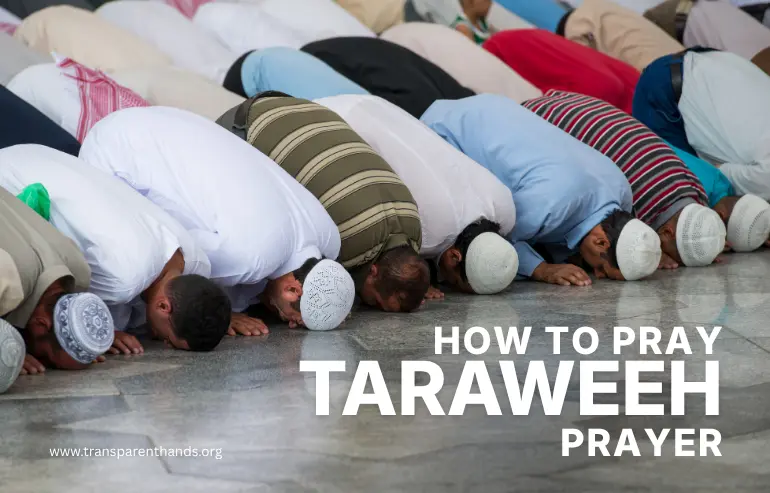
Taraweeh prayers are popular prayer sessions during Ramadan, with special arrangements to lead them. The Taraweeh prayers are held after the Isha prayers and prayed in sets of two rak’ahs. Offering Taraweeh prayers is a Sunnah; however, it is not an obligatory prayer. The Prophet (ﷺ) prayed Taraweeh in a mosque for a brief time but then stopped doing so. However, during the caliphate of Hazrat Umar ibn al-Khattab (RA), the tradition was revived. Muslims intensify their prayers during Ramadan as an effort to get closer to Allah (SWT). Taraweeh in the mosques reflects a collective effort to intensify worship to please Allah (SWT). While believers can also pray individually, Taraweeh offers a stronger communal experience. Muslims perform Taraweeh prayers each Ramadan night, typically 20 Rak’ahs. In this article, you will learn how to pray Taraweeh Prayer, its meaning, origin, and its spiritual offerings in light of the Quran and the Sunnah.
When Is Taraweeh Performed?
Taraweeh is performed during Ramadan. Traditionally, Taraweeh is prayed after Isha and before Fajr. You can also check the daily prayer times for all five Farz prayers.
How Many Rakats Are in Taraweeh?
The Taraweeh prayers typically contain 20 Rak’ahs. Although it is not a rigidly binding number, most Islamic scholars recommend offering 20 Rak’ahs.
How to Pray Taraweeh Step by Step
The Taraweeh Rak’ahs are offered like other routine prayers. However, if you are offering your Taraweeh in the mosque, make sure that you listen to the Imam with rapt attention, as listening to the recitation of the Quran is one of the major objectives and blessings on offer. Also make sure of the following:
- You have already offered your Isha Salah. Remember that Isha Salah takes precedence because it is obligatory, so offer it first.
- Say your intention of Niyyah first.
- Start with Takbire Tehreema.
- Offer two rak‘ahs in the regular manner.
- Recite Surah al-Fatiha, followed by the portion of the Quran you know.
- Offer your Ruku‘, Sujood, and as done in regular prayer.
- End the two rak‘ahs with salam.
- You can take a short break after saying the first two sets of Taraweeh.
- If you are saying your Taraweeh in the mosque, keep following the Imam.
- Don’t forget to offer your Witr prayers before Fajr.
What Should You Recite During Taraweeh?
During Taraweeh, you can recite Surah Al-Fatihah in each rakat followed by any other Surah or portion of the Quran that you may know. Since there is no specific Surah required for Taraweeh, you can recite the Ayyats that you have memorized. Many mosques complete the entire Quran recitation over the course of Ramadan during Taraweeh prayer. In fact, many of these mosques can complete this Quran recitation before the 27th of Ramadan, which is often observed as Laylatul Qadr.
Common Mistakes Beginners Make During Taraweeh
- Lack of concentration is often the biggest mistake made during Taraweeh. If you are offering Taraweeh prayers following the Imam, make sure you listen to the Quran recitation with intent.
- If you are not praying Taraweeh collectively, make sure that you are aware when to pray Taraweeh. The suggested timing is between Isha and Fajr
- The Ruku and Sujood movements should be firm and performed with the correct postures.
- Don’t forget to recite Surah Al-Fatihah in every Rakat. Remember, you must recite it in every Rakat, followed by the Quranic verses you know by heart.
- Never forget to say the intention (niyyah) in your heart. Almost all Islamic rituals require it.
- Never skip your Witr prayers after saying your Taraweeh. Prefer praying Witr with the Jamat (congregation).
- Offering Taraweeh can be physically demanding, especially for the elderly. Make sure that while you pray, you do not lose focus due to fatigue.
Conclusion
In this article, we discussed Taraweeh prayer in Ramadan. It is a beautiful way of worshipping Allah (SWT), especially when done collectively. It gives believers the opportunity to strive for maximum spiritual rewards during the holy month of Ramadan. Traditionally, Taraweeh prayers are held right after the Isha prayers and has 20 Rak’ahs. The numbers are not binding to the Sunnah, and the difference in Rak’ahs must not become a matter of contention among Muslims. Make sure you pray your Taraweeh prayers with full focus, and avoid mistakes such as declaring Niyyah or forgetting to pray your Witr. Also, make sure to participate in the collective Dua.



Leave Your Comments